

Fuel smarter
Fuel is Your Largest Controllable Cost
Every extra ton of fuel adds weight, burns more en-route, and costs tens of thousands of dollars per year per aircraft. Multiply that across a fleet, and the conservative “just in case” uplift adds up to many millions.
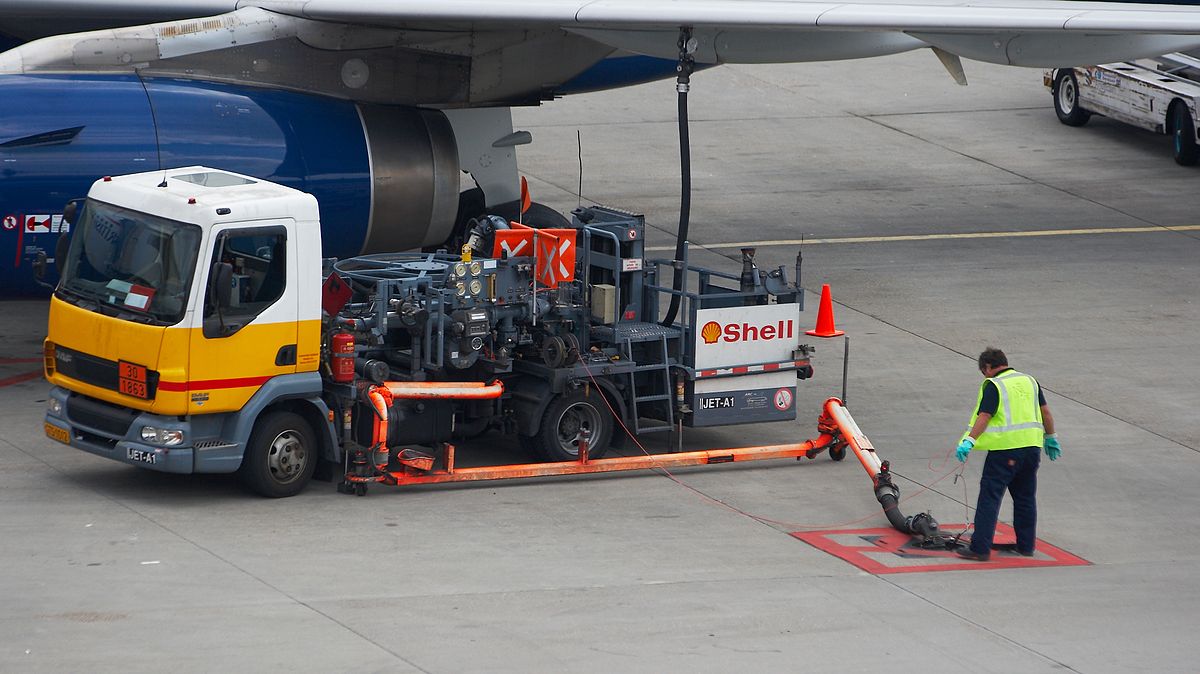
Most airports run smooth for days on end, but pilots rarely see that picture. Standard paperwork shows today’s weather forecast, not the fact that the last 72 hours had zero holding or delay. SkyGraph makes that history visible—so crews know when traffic is flowing without interruption. With that confidence, they can fuel closer to the calculated minimum, not with heavy “just in case” margins.
Lean fueling, proven safe
Even small reductions of 100kg per flight translate into tens of thousands saved annually per aircraft. Across a fleet, conservative “just in case” fuel uplifts add up to millions. SkyGraph gives pilots the confidence to trim without risk.
Stay ahead of disruptions
Unplanned diversions drive cost, complexity, and crew duty challenges. SkyGraph alerts crews to forming hotspots and degrading weather so they can anticipate and adjust before controllers assign delay—turning surprises into planned responses.
Reduce buffers, not safety
Historical arrivals, live flows, and forecast stability cues replace guesswork. Pilots brief with context and fly with assurance, making leaner choices without the second-guessing that typically inflates fuel orders.
Every minute counts
Less weight means lower burn en-route. Fewer surprises mean smoother rotations. With SkyGraph, fuel, time, and predictability all improve together, delivering measurable ROI with every sector.
The Hidden Advantage of Better SA
Fly smarter
Efficiency Through Awareness, Right in the EFB
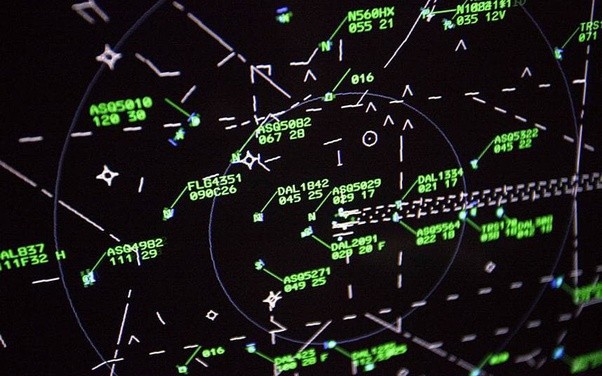
Most holding and vectoring comes as a surprise. Crews only learn of flow constraints when approach control assigns delay. SkyGraph changes that. By showing the live traffic picture, alternates, and forecasted flow during flight in the EFB, crews gain foresight that translates into both safety and efficiency.
Per-aircraft savings:
A reduction of even 100–200 kg on every other sector translates to 10k+USD per year.